At the start of the year, many businesses set ambitious goals. Maybe it was growing revenue, expanding into a new market, launching a new service, or simply getting more consistent with marketing. January always brings a lot of energy and momentum.
But here we are already nearing the end of the first quarter, and it’s a good time to pause and ask an important question:
Are your marketing efforts actually helping you reach your goals?
If the answer isn’t clear, you’re not alone. Many companies set strong business goals but never fully align their marketing strategy to support them. Good marketing builds on itself over time. But so does bad marketing. Catching a misaligned strategy in Q1 means you still have three full quarters to build momentum in the right direction. Waiting until December leaves no room to recover. The end of Q1 is the perfect time to realign since you have data to evaluate.
What Does Success Look Like?
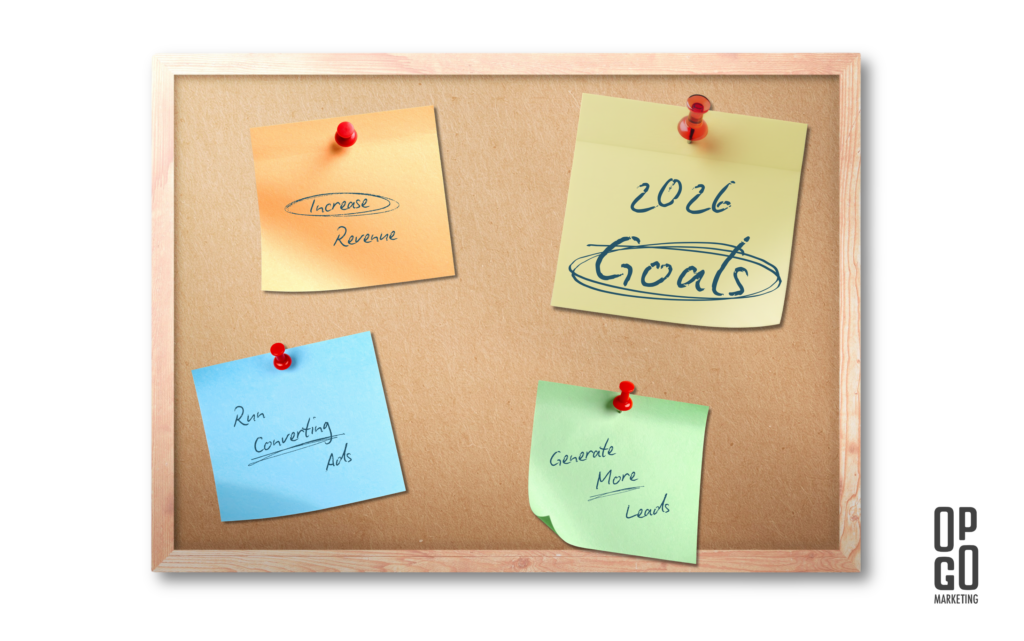
Start with the vision and set goals before executing on tactics. One of the biggest challenges we see with businesses is marketing turning into a list of tasks instead of a strategy. Posting on social media, running ads, updating the website, sending emails - all of these things can be valuable. But if they’re not connected to a larger goal, it’s easy to stay busy without actually moving the needle.
One of the first things we do with new clients is step back and define what success actually looks like for their business.
- Is the goal to increase sales this year?
- Generate more qualified leads?
- Build stronger brand awareness in the community?
Once the goal is clear, we can build marketing efforts around it instead of hoping the tactics eventually lead somewhere.
Clarify the Role of Each Marketing Effort
Not every marketing effort should accomplish the same thing. Some activities build awareness, others generate leads, and some focus on converting interest into sales. Understanding this difference can help you set more realistic expectations and build a more effective strategy.
For example:
- Social media often builds awareness and keeps your brand visible.
- SEO and blogs help potential customers find you when they are searching for solutions.
- Targeted ads and landing pages can help drive lead generation.
- Your website plays a major role in converting interest into action.
Start by reviewing your marketing channels and defining their primary purpose: awareness, lead generation, or conversion. This clarity helps ensure every effort has a role in supporting your bigger goals.
Evaluate What’s Actually Working
One of the most valuable things businesses can do at the end of a quarter is review performance. Instead of asking, “Did we post consistently?” try asking questions like:
- Which efforts are actually generating leads or inquiries?
- Where are our best customers finding us?
- Which channels deserve more investment?
Marketing should be measured by its contribution to business growth, not just the number of tasks completed. Look at your first-quarter results and identify one marketing activity that is performing well, and one that may need to be adjusted or replaced.
Take a Moment to Check In
As we wrap up the first quarter of the year, this is a great time to take a step back and look at the bigger picture.
Ask yourself:
- Are our marketing efforts aligned with our biggest goals for 2026?
- Do we know what role each marketing channel plays?
- Are we tracking the things that actually matter to our business?
You don’t need to wait until the end of the year to evaluate what’s working. Small adjustments now can make a big difference in the months ahead.
Tools to Help You Realign Your Marketing Strategy
If you’re not sure where to start, having the right systems and tools can help bring clarity to your strategy. We’ve created a Marketing Toolkit designed to help small teams work more efficiently and stay focused on what matters most.
Inside the toolkit, you’ll find resources like:
- A Marketing Planning and Budgeting template to help you prioritize initiatives and focus on the key performance indicators that actually drive results.
- A Content Repurposing roadmap that shows how to turn one piece of content into multiple assets across channels.
- Practical AI workflow tips using Notebook LM and Gemini to help with research, outlining, and improving clarity while keeping your voice and expertise intact.
- A social media planning system designed to help teams plan and batch content without needing to post every day.
Each resource is designed to be practical, actionable, and easy to integrate into your real-world workflow. You can explore the full toolkit here: Access the OpGo Marketing Toolkit.
Let’s Talk Marketing Strategy
Not sure if your marketing strategy is aligned with your goals for the year? Let’s talk about it.
At OpGo Marketing, we help businesses turn marketing activity into meaningful results. Book a free exploratory call with our team and let’s take a look at where you are and where you want to go.