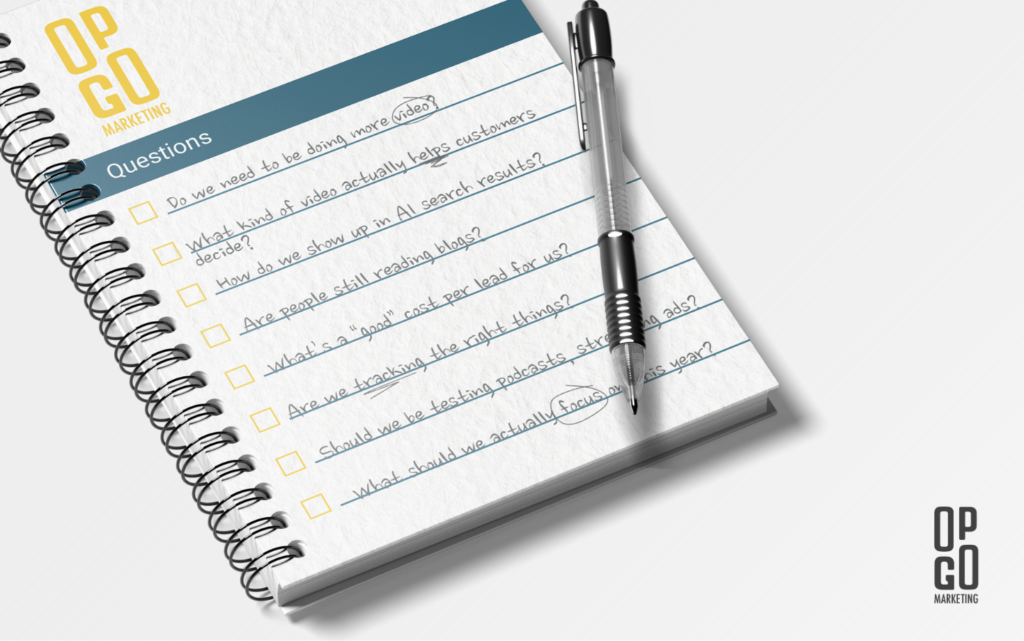
As we kick off a new year, one thing is very clear: a lot of businesses are taking a step back and reevaluating their marketing. Over the past few months, I kept hearing the same questions come up again and again. Not rushed, not reactive, but thoughtful questions about what actually matters moving forward.
January is the season of clarity. Budgets reset, goals take shape, and everyone wants to be intentional about how they show up in the year ahead. Here are the most common marketing questions I’m hearing as we move into 2026, and how I’m thinking about them.
“Should we be doing video?”
Video continues to be one of the most effective ways to build trust. That doesn’t mean every business needs a full-scale production. Video works because people want to see who they’re working with and understand what to expect before they reach out.
For many businesses, video might include:
- Short educational videos
- Behind-the-scenes clips
- FAQs or common questions
- Customer testimonials
- Simple walkthroughs or explanations of services
As we head into 2026, the better question usually isn’t “Do we need video?” but rather:
“What kind of video would actually help our customers make a decision?”
“How do we show up in AI search results?”
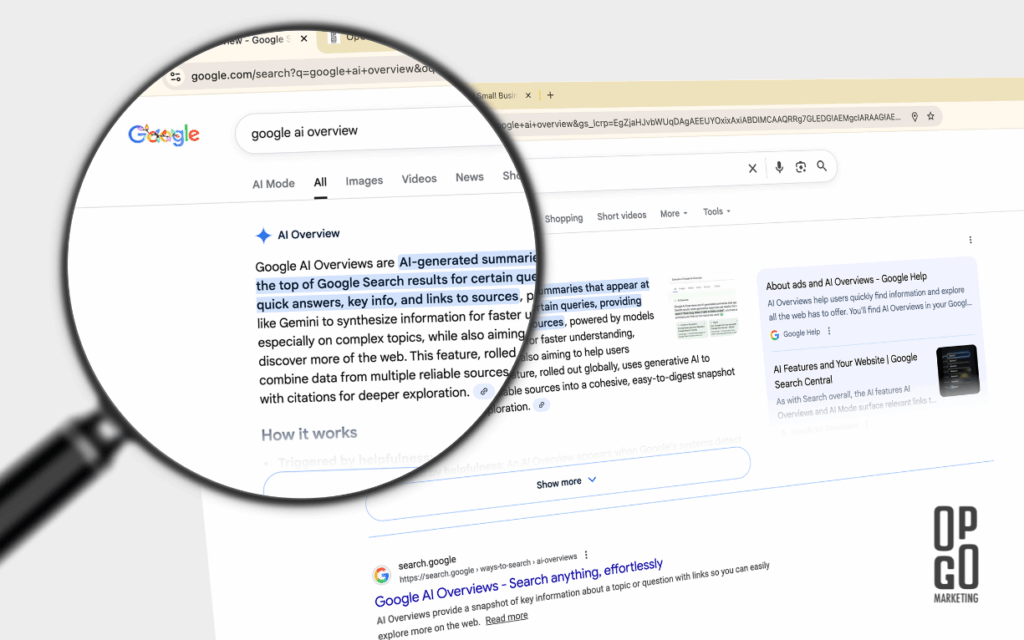
This question has become one of the most common (and for good reason). People aren’t just searching on Google anymore. They’re asking questions in AI tools, voice search, and platforms like YouTube or Reddit. But despite how new this feels, the fundamentals haven’t changed as much as you might think.
AI tools pull information from content that looks trustworthy, specific, and well-structured. That means the businesses that are going to show up more in AI results are the ones that already have a strong foundation:
- Clear website messaging
- Helpful content that answers real questions
- Strong reviews
- A fully optimized Google Business Profile
- Fast, mobile-friendly site
- Authority (mentions, backlinks, reputation)
AI is rewarding what has always mattered: clarity, credibility, and usefulness. If this topic feels overwhelming, you’re not alone. We recently broke this down into a simple, non-technical guide focused on practical steps business owners can take right now to improve AI search visibility.
“What does a ‘good’ cost per lead look like?”
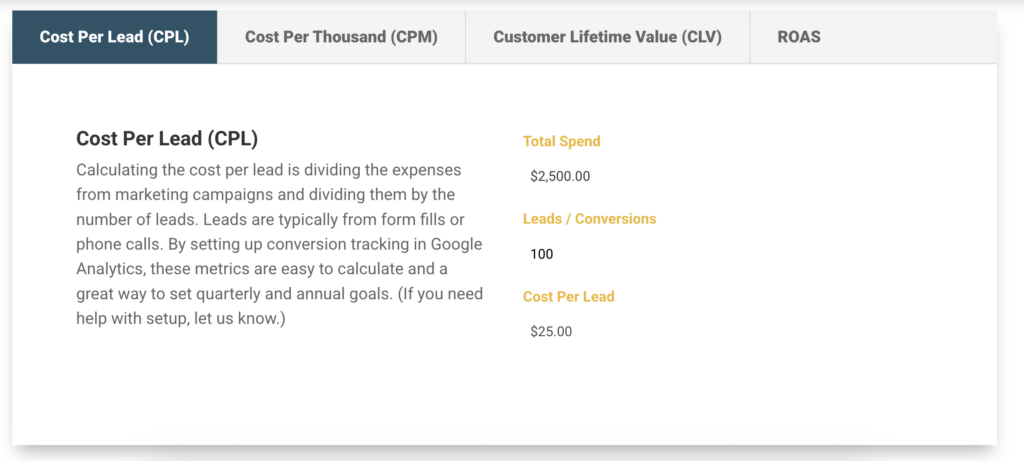
This is one of those questions that doesn’t have a single answer. A good cost per lead depends on what you sell, who you’re targeting, and how valuable that customer is long-term. A $40 lead might be great for one business and unsustainable for another.
Instead of focusing solely on cost per lead, it’s more useful to ask:
- Are these leads turning into customers?
- Are they the right fit for your business?
- Does the cost make sense compared to the lifetime value of that customer?
If you’re trying to benchmark what your numbers should look like, tools like our ROI calculators can help you pressure-test lead costs against real business goals and revenue expectations.
“Are people still reading blogs, or is that outdated?”
Yes, people are still reading blogs. But how they read them has changed.Most people aren’t browsing blogs casually anymore. They’re searching for answers. They want to:
- Solve a specific problem
- Compare options
- Validate a decision they’re already considering
Blogs work best today when they:
- Answer real customer questions
- Explain services in plain language
- Help someone feel confident taking the next step
What doesn’t work anymore is generic, surface-level content written just to “have a blog.” Intentional, helpful content still plays a huge role in both SEO and AI visibility.
“Should we be doing podcasts, streaming ads, or connected TV?”
This is where a lot of people get overwhelmed. I get it, the options can feel endless. Platforms like Connected TV, streaming audio, and podcasts can be incredibly effective if they match your audience and your goals.
They’re usually best for:
- brand awareness
- reaching a broad market
- staying top-of-mind
- supporting other channels like search and paid social
But they’re not always the right starting point. A great rule of thumb: If your website, messaging, tracking, and search presence aren’t strong yet… start there first.
Not Sure What to Focus on in 2026? We Can Help!
Helping your business grow in 2026 doesn’t mean chasing every new trend or learning new tools overnight. It comes down to being clear, being helpful, and being consistent. If you’re starting the year wondering how your marketing strategy stacks up (or whether your current efforts are aligned with where you want to go), it might be a good time for a gut check.
I’m always happy to talk through what you’re doing today, where you want to go in 2026, and what adjustments (if any) make sense. A short discovery call can help bring clarity and direction as the year gets underway.